In This Issue:
- Why a cranberry bog beat Ocean Spray’s polished ads
- What a ponytail lawsuit teaches about posting safely
- Why AI search still runs through Google
- The AI that may be rewriting your preview text
WHY IT CLICKS
Ocean Spray’s Bog Day
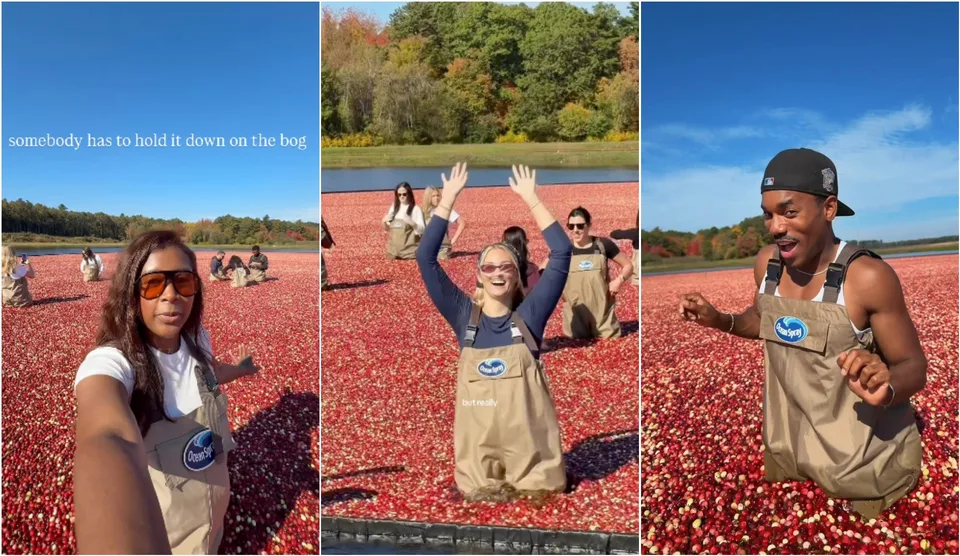
Ocean Spray took seven creators into a cranberry bog at harvest, the second year the 96-year-old farmer co-op has run Bog Day. They waded in, talked with the growers, and finished the day with a cranberry dinner. Nobody was required to post, and Ocean Spray says last year’s creator videos still beat its own polished campaign cutdowns. The brand also launched its first merch line, built from what growers actually wear: waders turned into overalls, harvest beanies, and boots ridged like a can of jellied cranberry sauce. The boots sold out in two hours, according to Ocean Spray.
Why it matters: To the growers, harvest means 3 a.m. starts and long days in wet boots. To everyone else, it’s a field of floating red berries they’ve only seen in a commercial. Ocean Spray opened the door on a moment it already owned, almost a century of its own lore. Most businesses have a bog of their own, the part of the work that feels too routine to show: the morning prep, the fitting, the delivery run, the first sketch. Before you plan your next post, ask what you do every week that a customer or donor has never seen.
SOCIAL
The Ponytail Lawsuit
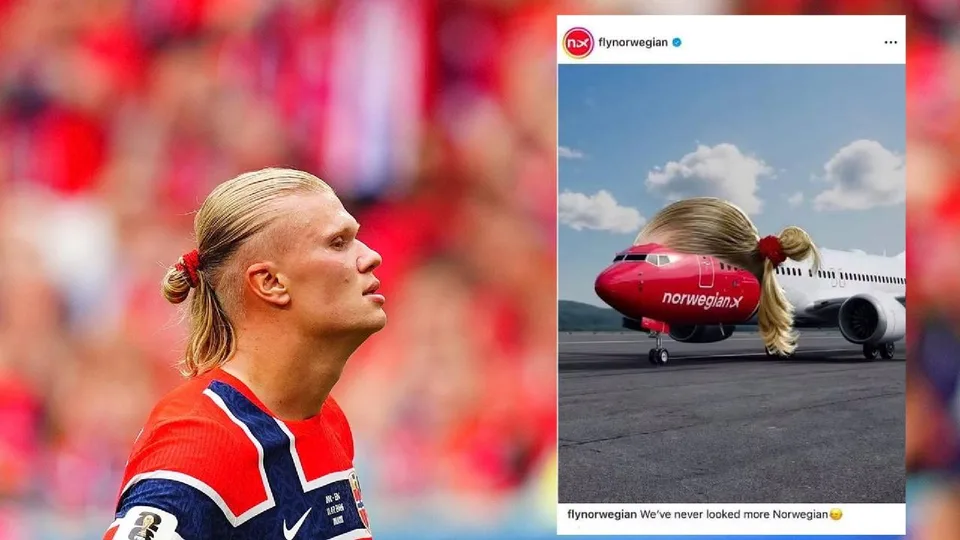
Erling Haaland is suing Norwegian Air over a World Cup Instagram post that put his famous ponytail on one of its planes. His face isn’t in it, but the hair is enough for anyone to know who it is. The airline called it a few spontaneous posts inspired by social trends. Lawyers who spoke to Bloomberg Law said that’s the trap: social teams see posts like this all the time, so they assume they’re safe.
Why it matters: Reactive posts get made fast, and fast is where most small businesses skip the check. Three rules cover most of the risk:
- Don’t borrow a person. A name, a face, or a signature look counts if people can tell who it is, so make the joke about the moment instead.
- Use cleared music. On a business account, stick to the platform’s commercial library, since TikTok says songs in its general library aren’t cleared for brands.
- Ask before you repost. A public post isn’t permission, so get a written yes from whoever took a customer’s photo and anyone in it, because a tag doesn’t cover you.
SEARCH
The AI Traffic Numbers Worth a Second Look
SEO consultant Marie Haynes pulled a year of analytics from 100 websites. ChatGPT sent them 0.62% as much traffic as Google’s organic results did. Visitors from ChatGPT did convert better, 13.8% vs. 3.02%, but Google still drove 96.5% of the conversions she tracked.
Why it matters: Most of the AI search your customers do still happens inside Google, in AI Overviews, AI Mode and the regular results. The visibility that pays off is being the most helpful answer to the question your customer is actually asking.
You can’t know if it’s working unless you track it, and 45 of Haynes’ 100 sites weren’t tracking a single conversion. If you’re not sure your site tracks anything, the free brand and web audit is a quick first look.
QUICK TIP
Your Newsletter Has Two Readers Now
Apple Mail can now show an AI summary in place of the preview text you wrote, and Outlook and Yahoo have their own versions. In a test by Twilio and Inbox Monster, the subject line and the live text near the top of the email helped shape Apple’s summary. Words inside images and alt text didn’t add much.
Why it matters: If your first lines are housekeeping, or your main message lives inside a graphic, the summary can miss the point. Write a subject line that makes sense on its own, open with why the email matters, and keep anything essential in real text.
If the bog stuck with you, The small details are doing the heavy lifting is about noticing what everyone else walks past.
Every issue stands on its own, so you can start anywhere. Here’s the full list if you want another.